%20(1)%20(1).png)
“Always Remember” Must Be More Than Words - A Reflection on the 25th Anniversary of September 11th
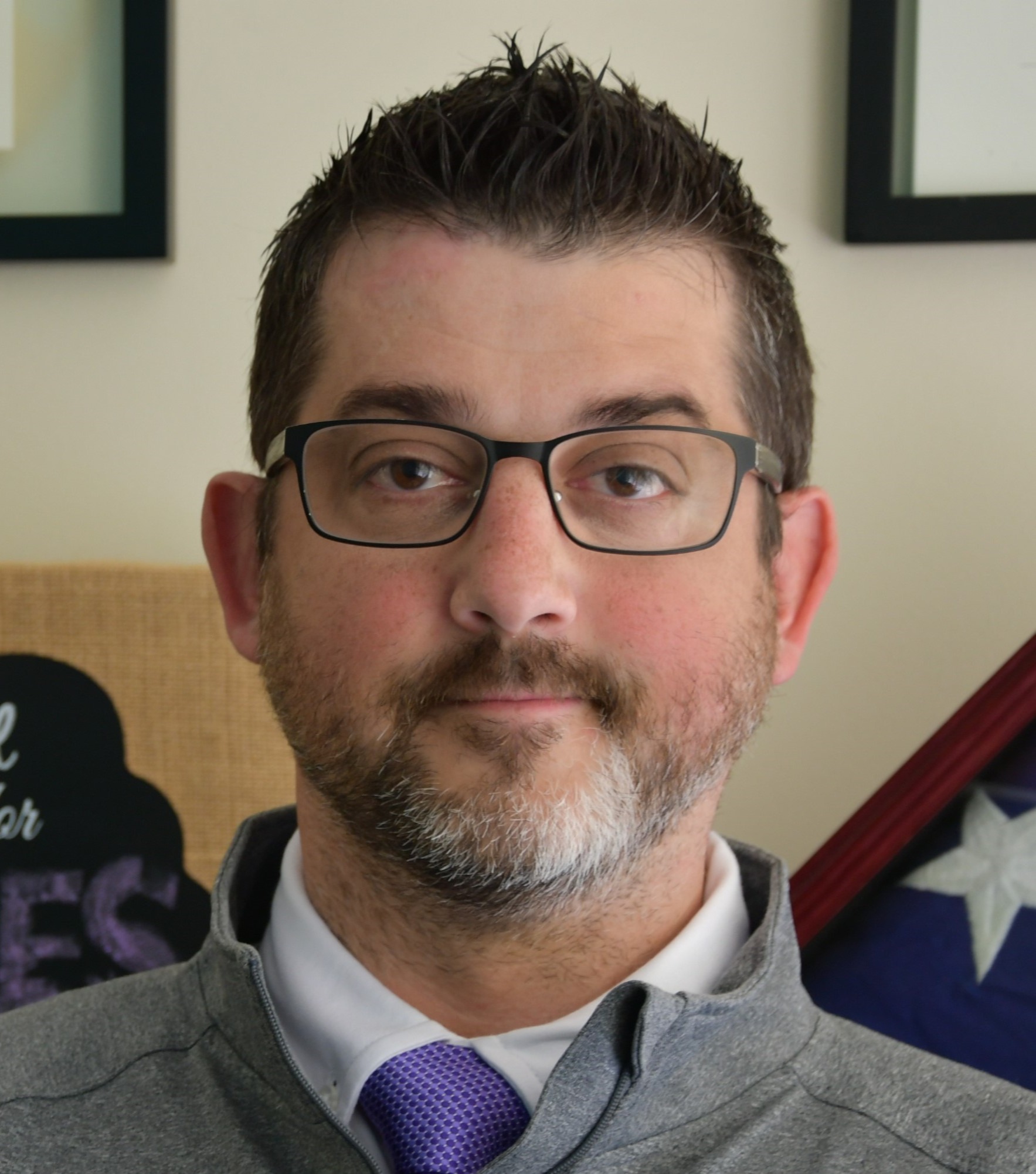
By Dr. Tony Reigle
September 2026
Twenty-five years ago, September 11, 2001, changed our country forever.
Today, we remember the 2,977 innocent people whose lives were taken at the World Trade Center, the Pentagon, and near Shanksville, Pennsylvania. We honor the thousands who were injured, the families who never again felt whole, and the first responders, recovery workers, military members, and others who continue to live with the physical and emotional consequences of that day.
Across the country, names will be read. Bells will ring. Flags will be lowered. Moments of silence will be observed. Memorial ceremonies will bring communities together.
Social media will fill with photographs, songs, videos, patriotic messages, and the familiar promise: “Never Forget.”
These observances matter. The ceremonies matter. The stories matter. The shirts, ribbons, flags, and public tributes all have their place.
But remembrance must be more than something we post, wear, sing, or attend once a year.
If “Never Forget” is going to mean anything, it must influence how we live during the other 364 days.
It must be reflected in our words, our choices, and our actions. It must be visible in how we treat our neighbors, how we treat strangers, and how we treat the first responders and veterans who serve our communities between the major emergencies, national headlines, election cycles, and campaign slogans.
That challenge must also extend to our elected officials and political candidates.
Every September, politicians from across the political spectrum post photographs of flags, fire trucks, police officers, military members, and memorial ceremonies. They speak about courage, sacrifice, service, and patriotism. They stand beside first responders and veterans when doing so provides a powerful photograph, an
emotional campaign advertisement, or a compelling sound bite.
But honoring our heroes cannot stop when the camera turns off.
It is inconsistent to campaign on the backs of first responders and veterans while failing to support the policies, programs, funding, staffing, equipment, healthcare, and mental-health resources they need.
It is inconsistent to call firefighters heroes while departments struggle to replace unsafe equipment, recruit volunteers, or fund basic operations.
It is inconsistent to praise police officers while ignoring inadequate staffing, mandatory overtime, trauma exposure, family strain, and the shortage of confidential, culturally competent mental-health care.
It is inconsistent to thank EMS professionals while many services fight simply to remain operational, retain personnel, replace aging ambulances, and provide a sustainable wage to those responsible for saving lives.
It is inconsistent to recognize dispatchers as the literal first first responders of the 911 emergency response system during a ceremony while excluding them from legislation, benefits, presumptive protections, wellness initiatives, and official public-safety classifications.
It is inconsistent to praise veterans from a podium while they continue to encounter delays, complicated systems, limited treatment options, homelessness, unemployment, and barriers to receiving the care they were promised.
Tribute without action is not support. It is performance.
Our heroes should never be reduced to political scenery. Their service should not be used to strengthen a campaign, promote a party, secure a contract, generate a profit, or enhance a public image while the people pictured in the advertisement continue struggling to access meaningful help.
Too often, decisions about programs intended to serve first responders and veterans appear to be driven by visibility, political advantage, organizational influence, or financial gain rather than by what will actually help those on the ground. Money may be announced, committees may be formed, contracts may be awarded, and programs may be promoted, yet the person who finally asks for help still encounters a waiting list, inadequate coverage, unaffordable care, or a provider who does not understand the culture of service.
Funding alone does not equal progress.
A program is not successful because it produced a press release. A policy is not meaningful because it carries a patriotic name. A campaign promise is not support until it becomes an accessible resource, a safer workplace, adequate staffing, functioning equipment, confidential treatment, protection for families, or measurable improvement in someone’s life.
We should be asking harder questions:
How much of the funding actually reaches first responders, veterans, and their families?
Were the people being served included in designing the program?
Can someone access the service confidentially and without risking their career?
Are rural, volunteer, and smaller departments included, or only the agencies with the greatest political visibility?
Are programs selected because they are effective, or because someone stands to profit from them?
Are leaders willing to support these measures when there is no ceremony, no campaign opportunity, and no political advantage?
These questions are not partisan. Accountability should not depend on which party is making the promise or which candidate is wearing the flag pin.
If an elected official stands beside our heroes on September 11, that official should also stand behind them during budget negotiations, policy debates, benefit determinations, staffing decisions, and efforts to expand access to care. If a candidate campaigns on service and sacrifice, voters should examine whether that candidate’s record, priorities, and actions demonstrate the same commitment.
Our support should be measured by outcomes, not slogans.
The same standard applies to all of us.
We cannot praise first responders during a tragedy and then ignore them when they ask for adequate staffing, safe equipment, appropriate training, or mental-health support.
We cannot call them heroes when cameras are present and then mock, dismiss, or stigmatize them when the weight of the job follows them home.
We cannot say we support our local departments while never attending their fundraisers, buying a chicken barbecue meal, donating to an equipment drive, volunteering our time, or simply asking what they need.
We cannot thank dispatchers for answering the calls that changed history while treating today’s dispatchers with disrespect when we are frightened, angry, or impatient.
We cannot honor the military members who answered the call after September 11 while allowing veterans in our own communities to struggle in silence, feel forgotten, or face unnecessary barriers when seeking care.
We cannot speak emotionally about national unity while insulting strangers online, treating disagreement as hatred, assuming the worst about one another, or refusing to show basic kindness to the people living next door.
For a brief period following September 11, Americans remembered that we belonged to one another. Strangers helped strangers. Communities showed up. People donated blood, food, money, supplies, and time. We asked how we could help before asking what was in it for us.
Twenty-five years later, perhaps the most meaningful tribute we can offer is to recover some of that spirit, not only during a crisis, but through the ordinary decisions we make every day.
That can begin with small actions.
Support a local fire, EMS, rescue, or police department event, not just with a social-media share, but by attending, donating, volunteering, or purchasing something.
Move over and slow down when emergency personnel are working along the roadway.
Treat dispatchers, healthcare workers, public-safety personnel, service members, and veterans with dignity, including when they are tired, imperfect, or struggling.
Check on the responder after the emergency is over and the public attention has moved elsewhere. Learn the signs of trauma, depression, burnout, and suicide risk.
Make it safe for someone to say, “I am not okay,” without fear of ridicule, punishment, or professional judgment.
Advocate for proper staffing, modern equipment, meaningful wellness programs, accessible treatment, and responsible leadership.
Ask elected officials specific questions about their records, votes, budgets, and policy positions. Do not accept a photograph, tribute post, or campaign slogan as evidence of support.
Pay attention to where funding goes, who benefits financially, and whether promised resources ever reach the heroes they were intended to serve.
Thank a first responder and then support the systems that protect that responder and their family.
Introduce yourself to a neighbor. Help someone carry a burden. Offer patience to the stranger who may be having the worst day of their life.
Disagree without dehumanizing. Speak with conviction without abandoning compassion.
Teach our children not only what happened on September 11, but what courage, sacrifice, service, unity, and community responsibility should look like today.
My challenge on this 25th anniversary is simple:
Do not allow “Always Remember” to become a slogan we repeat without examining how we live.
Do not allow our heroes to become political symbols used when convenient and forgotten when meaningful support requires money, courage, compromise, or accountability.
Remember the 2,977 lives lost by making better use of the lives we are still privileged to have.
Remember the firefighters who climbed upward by showing up when your community needs support.
Remember the law-enforcement officers who ran toward danger by choosing courage over convenience.
Remember the EMS professionals and healthcare workers who treated the injured by responding to suffering with compassion.
Remember the dispatchers who remained at their posts by recognizing the human beings behind every emergency call.
Remember the service members and veterans who answered what came next by ensuring that their sacrifices are honored with meaningful care, not merely ceremonial gratitude.
Remember the passengers and crew members who acted to protect strangers by refusing to believe that individual actions are too small to matter.
The true measure of remembrance is not how loudly we say the words on September 11. It is how faithfully we live them on September 12 and every day that follows.
Attend the ceremony. Share the tribute. Wear the shirt. Play the song. Speak their names.
Then go further.
Serve someone. Support a local department. Check on a responder. Help a veteran.
Show patience to a stranger. Treat a neighbor with dignity. Demand accountability from those who invoke our heroes while holding positions of power. Choose leaders whose actions match their words. Choose words that heal instead of divide.
Let us honor those who lost their lives by living ours with greater purpose, gratitude, courage, compassion, and accountability.
That is how remembrance becomes action.
That is how tribute becomes policy.
That is how gratitude becomes meaningful support.
That is how tribute becomes legacy.
That is how we truly always remember.


Comments